
01
What the deli is
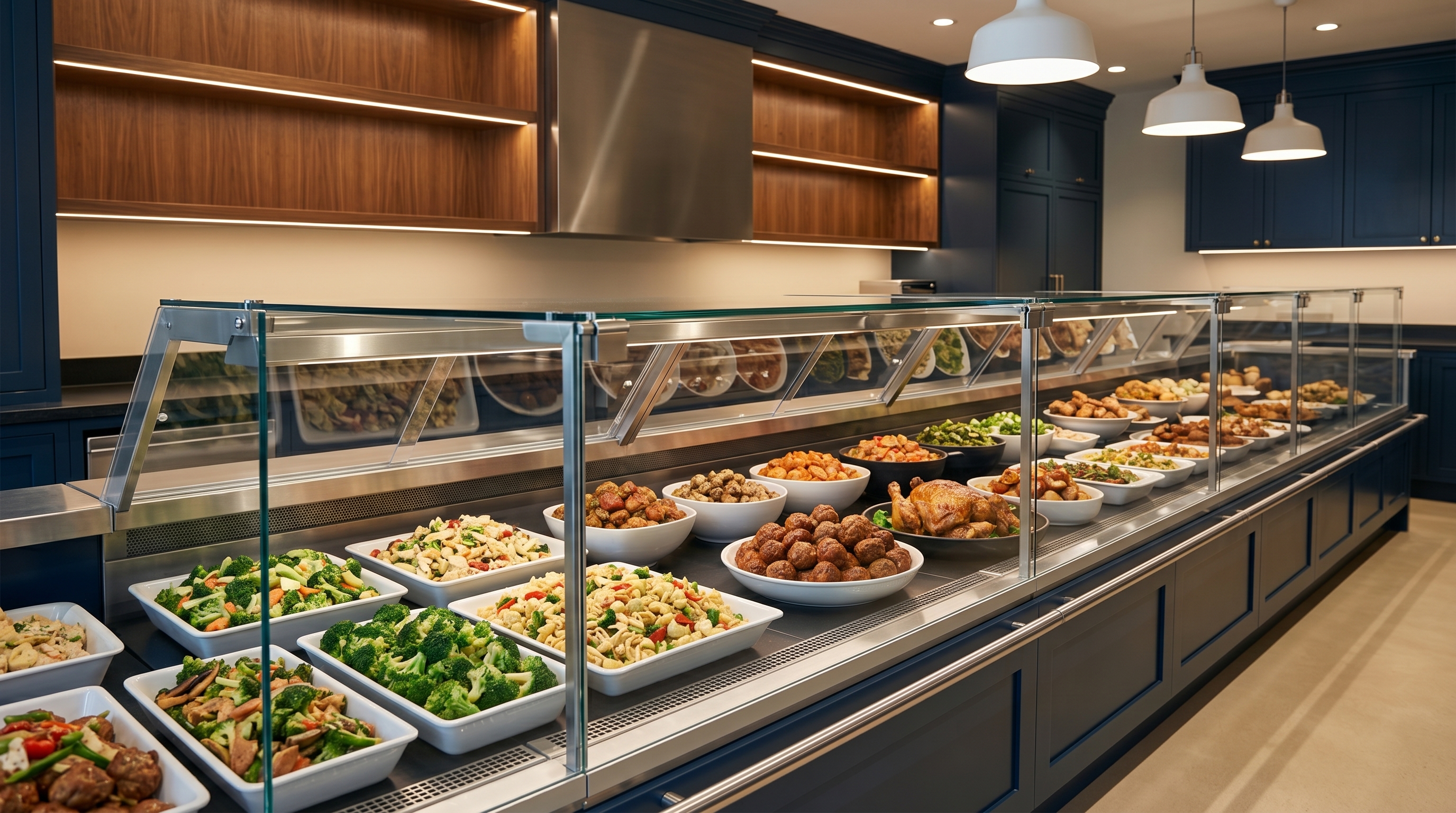
A supermarket department preparing sandwiches, salads, sliced meats, cheeses, and hot meals — sold daily to time-pressed shoppers from a refrigerated case and hot bar.
In-store delis · fresh-prepared · grab-and-go
The deli department isn't a single shelf — it's a working kitchen with multiple insertion points. This guide shows where a startup or emerging brand can earn a place.
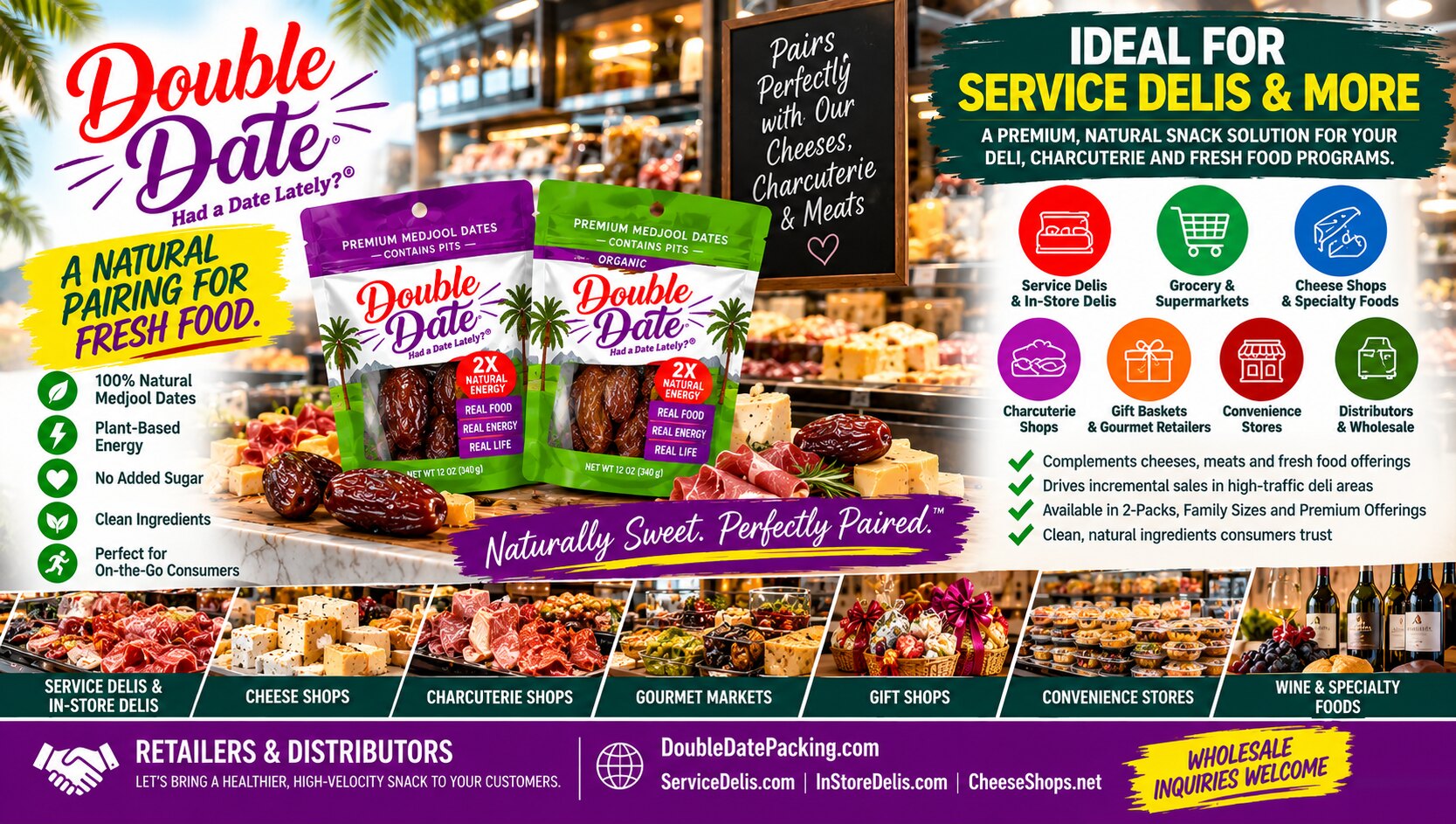
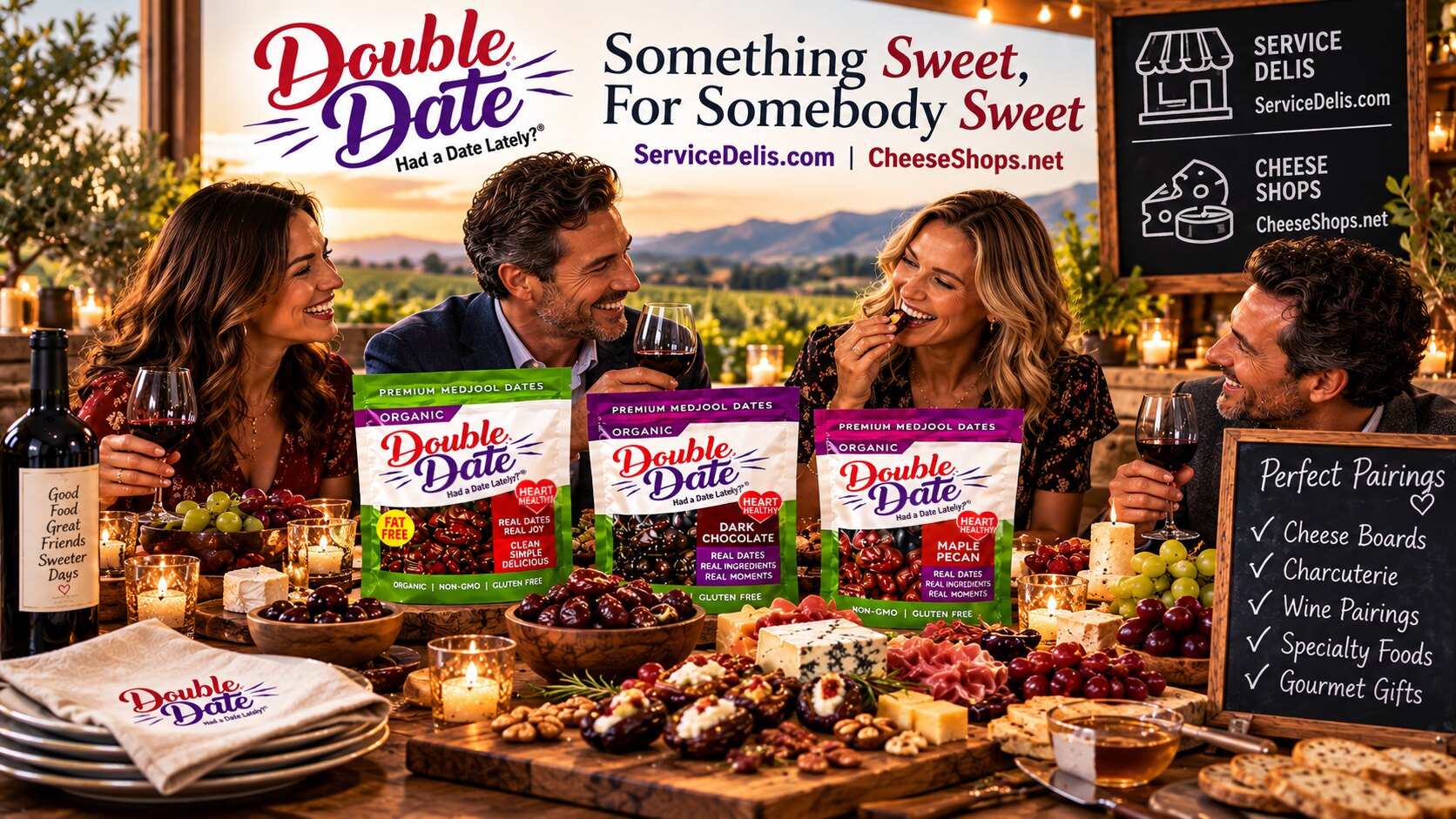
Featured brand
Premium Medjool dates grown in Coachella, California, now featured across InStoreDelis.com. Retailers and distributors can request wholesale information.
How the section works
The in-store deli is a supermarket department that prepares and sells ready-to-eat and ready-to-heat foods. Understand its buyer, its operating model, and its case-flow before proposing a fit.
A supermarket department preparing sandwiches, salads, sliced meats, cheeses, and hot meals — sold daily to time-pressed shoppers from a refrigerated case and hot bar.
A category-specific deli buyer or fresh-foods director — distinct from center-store grocery. The decision criteria are food cost, prep labor, shelf life, and case appearance.
Recipes and program specs are built around portion cost, prep time, and ingredient consistency. New ingredients have to thread that needle, not just taste good.
An ingredient inside a deli program runs daily, not weekly. A successful pilot creates a high-frequency, on-shelf-adjacent halo for the brand at retail.
The deli case is the supermarket's most frequently visited fresh department. For an emerging brand, an ingredient placement here is a daily impression — not a quarterly promotion.
InStoreDelis.com · brand-preview curriculum
In practice
The deli department isn't a single shelf — it's a working kitchen with multiple insertion points. These are the openings where a startup or emerging brand can earn a place.
Operators we map against
Where brands fit in
The deli department isn't a single shelf — it's a working kitchen with multiple insertion points. These are the openings where a startup or emerging brand can earn a place.
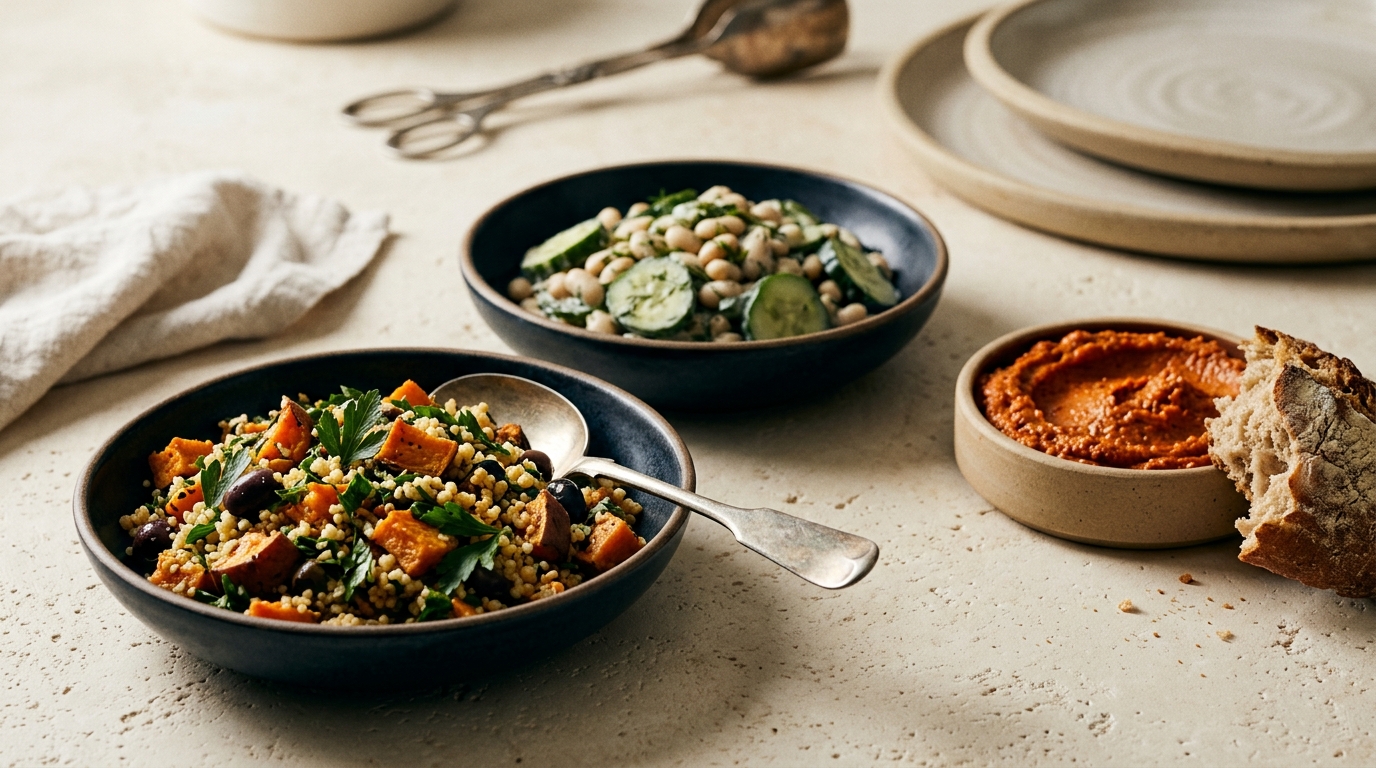
Sauces, spreads, dressings, marinades, cheeses, and proteins that show up inside deli recipes — sandwiches, salads, hot bar, prepared meals.
Deli programs built around a recognized brand — signature sandwiches, branded salad bowls, branded hot-bar features, with the brand named on the case label.
Refrigerated grab-and-go SKUs — wraps, bowls, snack packs, breakfast cups — that live in the deli case alongside the chef-prepared program.
Specialty cheeses, cured meats, and accompaniments merchandised in the service case or the adjacent self-serve specialty set.
Packaged versions of the same brand displayed alongside the prepared item — buy the sandwich, take home the spread.
Curriculum coverage
InStoreDelis.com covers the full operating surface of the in-store deli department and where an emerging brand can show up across each zone.
Sliced meats, cheeses, salads, prepared sides — purchased to order at the counter.
Hot meals, rotisserie chicken, sides — sold ready-to-eat for tonight's dinner.
Refrigerated single-serve and meal SKUs — sandwiches, wraps, salads, snack packs.
Specialty cheeses, cured meats, olives, prepared dips — premium adjacency to the main case.
Practical path
Decide which deli zone your product actually belongs in — service case, hot bar, grab-and-go, or specialty. Different buyer, different spec, different conversation.
Write a deli-honest spec — portion cost, prep minutes, shelf life in the case, allergen profile, and the recipe role your ingredient plays.
Get tasting samples in front of the deli buyer and the chef-coordinator together. The buyer protects food cost; the chef protects the menu's integrity.
Run a multi-store pilot tied to a specific deli program. Track sell-through, prep ease, and case appearance — the three things that decide a wider rollout.
Convert pilot performance into a banner-wide listing — and translate the deli win into adjacent grab-and-go and packaged placements.
Network of brand-entry guides
The parent index of section-specific brand-entry guides — the deli is one of many.
VisitFoodservice introductions for the campus union — another high-frequency fresh-prepared environment.
VisitWorkplace breakrooms — where many of the same grab-and-go and ingredient ideas land next.
VisitUse the full directory to see every retail section your brand could be previewed against.
VisitPitch the deli team
Send the product summary, the deli zone you think you fit, current pilot data if any, and a sample-shipment plan. The brand-preview team returns deli-honest feedback and an introductions shortlist.
Email the brand-preview team